

Can Ambience Change Taste? Exploring the Psychology of Dining Spaces
When people think about taste, they often focus only on ingredients, recipes, or cooking techniques. However, research shows that the environment you eat in can significantly influence how food is perceived. From lighting to furniture, every detail plays a role in shaping your dining experience. At Art Sample Home, known as the best place for furniture in Saginaw, creating a complete dining environment goes beyond just functionality—it’s about elevating how meals feel and taste. Choosing the right pieces, such as a Signature Design by Ashley dining table, can transform an ordinary meal into a memorable sensory experience.
The Science Behind Taste Perception and Dining Ambience
How taste is influenced by the brain, not just the tongue
Taste is not solely determined by your taste buds. Instead, it’s a multisensory experience processed by the brain. While the tongue detects basic flavors—sweet, salty, sour, bitter, and umami—the brain integrates signals from sight, smell, sound, and touch to create the full perception of taste. This means that even subtle environmental changes can alter how food is experienced.
Role of sensory cues: sight, sound, smell, and touch
Visual presentation often sets expectations before the first bite. The color of the room, the plating of food, and even the texture of the table surface contribute to perception. Sound also plays a role—soft music can enhance sweetness, while loud noise may dull flavors. Aromas from candles or nearby dishes can influence taste perception, and tactile elements like comfortable seating or a sturdy dining table stool affect how relaxed diners feel.
Research insights on environment impacting flavor perception
Studies have shown that people rate food as more flavorful in visually appealing environments. For example, dim, warm lighting tends to enhance sweetness and comfort, while bright, cool lighting may make food feel less indulgent. Restaurants often use these insights to design spaces that subtly influence diners’ experiences.
Why the same food tastes different in different settings
Have you ever noticed that homemade food tastes better in a cozy setting than in a rushed environment? This happens because ambience affects mood and attention. A calm, aesthetically pleasing dining space allows diners to focus on flavors, making the meal feel richer and more satisfying.
Key Elements of Ambience That Influence Taste
Lighting: warm vs cool lighting and its effect on appetite
Lighting is one of the most powerful tools in shaping dining experiences. Warm lighting creates a relaxed and inviting atmosphere, often making food appear more appetizing. Cool lighting, on the other hand, is more clinical and can reduce the perceived richness of food. Proper lighting placement around your dining area can highlight textures and colors, enhancing visual appeal.
Music & sound: how background noise alters flavor perception
Sound influences how we interpret taste more than most people realize. Soft background music can elevate the dining experience, while excessive noise can distract and reduce enjoyment. Studies suggest that high noise levels can suppress sweet and salty flavors, making food seem less satisfying.
Colors & décor: psychological impact on mood and taste
Colors have a strong psychological effect. Warm tones like reds and oranges can stimulate appetite, while cooler tones like blues may suppress it. Décor choices—such as artwork, table settings, and even a stylish bar cabinet for dining room—contribute to the overall sensory environment, enhancing both mood and taste perception.
Table setup and presentation in enhancing dining experience
A thoughtfully arranged table can elevate even a simple meal. Clean lines, coordinated tableware, and a well-chosen centerpiece create a sense of occasion. The presence of complementary furniture, like a dining room bar cabinet, adds functionality and visual balance, making the space feel complete and intentional.
The Role of Furniture in Creating a Sensory Dining Experience
Importance of dining tables in shaping first impressions
The dining table is the centerpiece of any dining space. It sets the tone for gatherings, whether casual family meals or formal dinners. A well-designed table creates a strong first impression and influences how comfortable and engaged diners feel.
How materials, textures, and layout affect comfort and perception
Materials like solid wood, glass, or veneer each bring unique tactile and visual qualities. Smooth finishes feel refined, while textured surfaces add warmth and character. The layout of furniture also matters—adequate spacing ensures comfort, while cohesive design enhances the overall ambience.
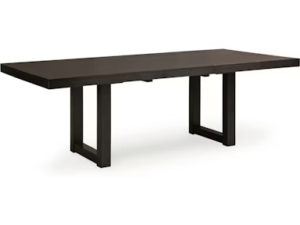
Featuring the Signature Design by Ashley dining table as a blend of style and functionality
This dining table stands out for its balance of style, durability, and versatility. These tables are designed to complement a variety of interiors, from modern to farmhouse styles. Their thoughtful craftsmanship ensures both visual appeal and practical use, making them a reliable choice for enhancing dining environments.
How the right dining table elevates both aesthetics and perceived taste
When a dining table looks inviting and feels comfortable, it encourages diners to relax and fully engage with their meal. This heightened engagement leads to a richer perception of flavor. Pairing your table with Ashley furniture dining room sets ensures a cohesive look, further enhancing the sensory experience.
Designing a Dining Space That Enhances Flavor and Experience
Tips for arranging lighting, seating, and tableware
Start with layered lighting—combine overhead lights with softer accent lighting to create depth. Choose seating that supports posture and comfort, such as cushioned chairs or stools. Arrange tableware thoughtfully, ensuring each element contributes to a harmonious setup.
Creating a cohesive theme for better sensory engagement
Consistency in design helps create a seamless experience. Whether you prefer modern minimalism or rustic charm, aligning colors, textures, and furniture pieces ensures that the space feels intentional and inviting.
Balancing comfort and visual appeal
A visually stunning dining space should also be practical. Ensure there is enough space for movement, and avoid overcrowding the area. Comfortable seating, accessible storage, and durable surfaces all contribute to a better dining experience.
Small upgrades that make a big impact on dining perception
Even minor changes can significantly enhance ambience. Adding a stylish centerpiece, updating lighting fixtures, or incorporating a functional piece like a bar cabinet can transform the space. Thoughtful details make meals feel more special and enjoyable.

Final Thoughts: Why Ambience Matters More Than You Think
Ambience plays a powerful role in shaping how we experience food. From lighting and sound to furniture and layout, every element contributes to taste perception. By understanding the psychology behind dining spaces, homeowners can create environments that enhance both flavor and enjoyment.
At Art Sample Home, you’ll find everything needed to design a dining space that elevates everyday meals. Whether you’re upgrading your setup or starting fresh, investing in quality pieces like a Signature Design by Ashley dining table ensures a perfect blend of comfort, style, and functionality. With the right ambience, every meal can feel more satisfying and memorable.For inquiries or assistance, contact us at 989-341-8656.
FAQs
- How does table shape influence social interaction during meals?
Round tables encourage conversation and inclusivity, while rectangular tables often create a more structured and formal dining dynamic. - Can the height of a dining table affect comfort and enjoyment?
Yes, proper table height ensures ergonomic seating, which helps diners feel more relaxed and focused on their meal. - What role does spacing between furniture play in dining experiences?
Adequate spacing prevents a cramped feeling, allowing for better movement and a more comfortable, enjoyable environment. - How do seasonal décor changes impact dining ambience?
Switching décor elements like centerpieces, colors, or textiles with the seasons can refresh the space and create a new sensory experience. - Is it important to match dining furniture with the rest of the home interior?
While not mandatory, cohesive design creates visual harmony, making the dining area feel more integrated and inviting.
Leave a Reply