

The Ultimate Guide to Walnut Dining Tables: Beauty, Durability, and Timeless Appeal
Introduction
Walnut dining tables stand out as a top choice, surpassing other popular options like oak or mahogany. Walnut offers a unique combination of rich, warm tones and natural grain patterns that oak lacks in depth, while its durability often outshines the softer nature of mahogany. If you’re looking for a piece that seamlessly blends elegance with practicality, a walnut dining table is the ideal addition to your dining room. At Art Sample Home, we’re proud to showcase an extensive collection of walnut dining tables to suit every style and space. Explore our selection of premium dining room furniture to create a stunning and functional space that reflects your taste.
Why Choose a Walnut Dining Table?
Aesthetic Appeal
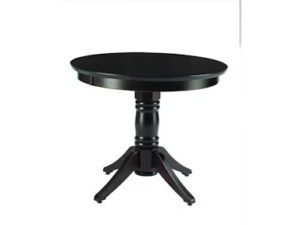
Walnut wood is celebrated for its natural beauty, characterized by rich brown tones and intricate grain patterns. Unlike uniform-grained woods like birch, walnut’s unique patterns ensure thTat each piece is one of a kind. Whether you prefer a sleek circular walnut dining table or a grand walnut dining room table, walnut adapts effortlessly to both modern and traditional styles.
Durability and Longevity
Walnut ranks high on the Janka hardness scale, scoring around 1,010. This makes it resilient to scratches, dents, and wear, especially compared to softer woods like pine. Its durability ensures that your walnut dining table remains a centerpiece in your home for decades, withstanding daily use by families or during frequent hosting.
Eco-Friendliness
Walnut wood is not just beautiful and durable—it’s also an eco-conscious choice for environmentally aware homeowners. Here’s why:
Sustainable Harvesting Practices
Walnut trees are often grown in responsibly managed forests, ensuring that for every tree cut down, new ones are planted. Look for dining room furniture crafted from walnut wood certified by organizations such as:
a. FSC (Forest Stewardship Council): Ensures that the wood comes from forests that meet strict environmental and social standards.
b. PEFC (Programme for the Endorsement of Forest Certification): Supports sustainable forest management worldwide.
Longevity Reduces Waste
One of the most sustainable aspects of walnut dining tables is their durability. A well-crafted walnut dining table can last decades, reducing the need for frequent replacements and lowering overall consumption. Unlike cheaper, less durable materials, walnut’s ability to withstand wear and tear contributes to its eco-friendly profile.
Minimal Processing Requirements
Walnut wood’s natural beauty means it requires less chemical treatment and artificial finishes than other woods. This reduces the release of volatile organic compounds (VOCs) into the environment during production, making it a healthier and greener option for your home.
Byproducts and Upcycling
Walnut wood byproducts, such as sawdust and offcuts, can often be repurposed into other products like particleboard, biofuel, or mulch, ensuring minimal waste during manufacturing.
Examples of Environmentally Friendly Options
1. Reclaimed Walnut Wood:
Choosing furniture made from reclaimed walnut helps reduce deforestation by reusing wood from old buildings, barns, or furniture. It also adds a unique, rustic charm to your dining space.
2. Local Craftsmen:
Support local artisans who source their walnut wood from nearby forests. This minimizes the carbon footprint associated with transporting raw materials over long distances.
3. Natural Finishes:
Opt for tables with finishes made from eco-friendly materials, such as water-based stains or natural oils like tung or linseed oil. These finishes enhance the wood’s beauty without harming the environment.
4. Custom and Handcrafted Options:
Artisans and furniture makers at Art Sample Home often provide custom-built walnut dining tables using sustainable practices. These pieces are designed to last for generations, combining style with environmental responsibility.
By choosing sustainably sourced walnut wood and supporting eco-friendly practices, you can enjoy the timeless beauty of a walnut dining table while making a positive impact on the environment.
Factors to Consider When Choosing a Walnut Dining Table
1. Size and Shape
a. Small spaces: A small walnut dining table, such as a 4-seat circular table, works well in dining areas under 8×8 ft.
b. Medium spaces: A 6-seat rectangular table fits perfectly in a 10×12 ft room.
c. Large spaces: For rooms 12×14 ft or larger, an 8-10 seat oval or rectangular table adds grandeur without overwhelming the space.
2. Style and Design
a. For a classic look, consider carved legs or beveled edges.
b. Minimalist styles feature clean lines and smooth surfaces, perfect for modern homes.
c. Decorative inlays or mixed wood accents add an artistic flair.
3. Finish and Texture
The finish of a walnut dining table plays a significant role in its look, durability, and ease of maintenance. Choosing the right finish is crucial, especially for households with children or those that frequently host gatherings. Here’s a breakdown of common finishes and their practical implications:
1. Matte Finish: Natural and Subtle
a. Appearance:
i. A matte finish highlights the natural grain and texture of walnut wood, offering a soft, understated look.
ii. It provides a more organic and modern aesthetic, making it ideal for casual dining spaces or minimalist interiors.
2. Care:
i. Matte finishes are more forgiving when it comes to minor scratches or smudges, as they don’t reflect much light.
ii. However, they are more prone to absorbing stains, so spills should be wiped up promptly.
3. Usability:
i. Ideal for families with children, as the subdued finish hides fingerprints and light wear better than glossy options.
ii. Use coasters and placemats to prevent staining from liquids or food spills.
2. Glossy Finish: Polished and Formal
a. Appearance:
i. A glossy finish adds a luxurious sheen to the walnut table, amplifying its rich tones and natural grain patterns.
ii. It creates a more formal look, perfect for elegant dining rooms or spaces designed for entertaining.
b. Care:
i. The reflective surface makes scratches, smudges, and dust more visible, requiring regular cleaning to maintain its shine.
ii. Use a soft microfiber cloth and a non-abrasive cleaner to avoid dulling the finish over time.
c. Usability:
i. Best suited for families or hosts who prioritize aesthetics and are willing to invest in extra care.
ii. Not ideal for households with young children, as spills and scratches can be more noticeable.
3. Satin Finish: Balanced and Versatile
a. Appearance:
i. A satin finish offers a middle ground between matte and glossy, providing a subtle sheen that enhances the wood’s beauty without being overly reflective.
ii. It suits a wide range of decor styles, from traditional to contemporary.
b. Care:
i. Satin finishes are easier to clean than matte and less prone to showing smudges than glossy surfaces.
ii. Regular dusting and occasional polishing keep it looking fresh.
c. Usability:
a. A practical choice for families with children or frequent hosts, as it balances durability with an elegant appearance.
b. Resistant to wear, making it suitable for everyday use and special occasions alike.
4. Oil-Based Finish: Warm and Durable
a. Appearance:
i. Enhances the natural color and grain of the wood, giving it a warm and inviting look.
ii. The finish penetrates the wood, providing a rich, natural appearance rather than a surface-level gloss.
b. Care:
i. Requires periodic reapplication to maintain its protective layer.
ii. Spills should be wiped up immediately, as the finish can be susceptible to water rings and stains over time.
c. Usability:
i. A great option for families who want a natural look and are comfortable with occasional maintenance.
ii. Not ideal for high-traffic areas unless maintained regularly.
5. Lacquer Finish: High Durability for Heavy Use
a. Appearance:
i. Offers a sleek and even coating that can range from matte to high gloss, depending on the product.
ii. Protects the wood while maintaining its natural appeal.
b. Care:
a. Highly resistant to scratches and stains, making it easy to clean with a damp cloth.
b. Requires minimal maintenance compared to other finishes.
c. Usability:
i. Perfect for families with children or households that frequently entertain, as it withstands heavy use.
ii. Its durability makes it a go-to choice for those seeking low-maintenance furniture.
Which Finish is Best for Your Household?
a. Families with Children: Choose a matte or satin finish for practicality and a forgiving surface that hides smudges and light scratches.
b. Frequent Hosts: Opt for a satin or lacquer finish to ensure durability while maintaining an attractive appearance for guests.
c. Formal Dining Rooms: A glossy or oil-based finish elevates the table’s elegance, ideal for a sophisticated setting.
By selecting a finish tailored to your household’s needs and lifestyle, you can enjoy the timeless beauty of a walnut dining table while ensuring it remains a functional centerpiece in your home.
Matching Your Walnut Dining Table with Your Existing Decor
1. Pairing with Interior Styles
| Interior Style | Walnut Table Suggestion | Chair Pairing |
| Modern | Sleek rectangular or circular walnut table | Metal or leather chairs with clean lines |
| Rustic/Farmhouse | Large rectangular table with visible grain | Distressed wood or upholstered chairs |
| Classic/Traditional | Walnut dining room table with carved legs | Upholstered chairs with tufted backs |
2. Accents
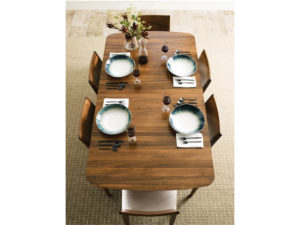
Add complementary touches like soft fabric runners, metallic centerpieces, or textured placemats to enhance the table’s visual appeal.
Caring for Your Walnut Dining Table
1. Cleaning Products and Methods
a. Use a microfiber cloth to remove dust without scratching the surface.
b. For routine cleaning, dampen the cloth with a mixture of mild dish soap and warm water. Avoid abrasive cleaners or sponges.
c. Maintain the finish with an oil-based wood polish, such as Howard Feed-N-Wax, every 6-12 months.
2. Long-Term Maintenance
a. Protect against heat and moisture by using coasters, trivets, and placemats.
b. Avoid direct sunlight to prevent fading or warping.
c. Keep a set of protective pads for when hosting large gatherings.
For detailed care instructions, refer to online resources or the manufacturer’s recommendations.
Where to Buy the Best Walnut Dining Tables
Shopping for a walnut dining table requires careful consideration of quality and craftsmanship. Here’s how to ensure you’re making the right choice:
1. Questions to Ask Retailers
a. Is the table made from solid walnut or walnut veneer?
b. Where is the wood sourced, and is it sustainably harvested?
c. What type of finish is used, and what maintenance does it require?
d. Is there a warranty or return policy?
2. Explore Local and Online Options
a. Visit local stores like Art Sample Home to see the craftsmanship firsthand and get personalized advice.
b. Online platforms like Wayfair, Etsy, and West Elm offer diverse styles, but ensure the seller has good reviews and a clear return policy.
3. Why Choose Art Sample Home?
At Art Sample Home, we specialize in a curated selection of walnut dining tables, offering styles to fit every space and preference. Whether you need a small walnut dining table for an intimate setting or a custom-designed piece to reflect your unique taste, our team is here to help.
Conclusion
Walnut dining tables perfectly combine beauty, durability, and versatility. Their rich tones, unique grain patterns, and ability to fit seamlessly into any decor style make them a timeless investment for your home. You can find a table that meets your needs and elevates your dining experience by considering size, finish, and decor compatibility.
At Art Sample Home, we’re here to guide you in selecting the ideal walnut dining room table for your space. Contact our team at (989) 754-7428 or visit our store to explore our exceptional collection today!
FAQs
1. Are walnut dining tables a good choice for homes with kids?
A: Yes, walnut dining tables are a great option for families. Their natural durability makes them resistant to scratches and wear, and finishes like satin or matte can help hide fingerprints and minor blemishes. Adding placemats or table covers can provide extra protection for everyday use.
2. Can a walnut dining table be customized to fit my space?
A: Absolutely! Many furniture makers, including Art Sample Home, offer custom walnut dining tables. You can choose the size, shape, finish, and design features like carved legs or inlays to ensure the table perfectly complements your dining space.
3. How do walnut dining tables compare to other hardwoods in terms of maintenance?
A: Walnut dining tables require less frequent maintenance than some softer woods like pine but benefit from occasional polishing to maintain their rich tone. Compared to oak, walnut is easier to clean and shows fewer grain lines, which can make dust and stains less noticeable.
Leave a Reply