

The Ultimate Guide to Choosing the Right Dining Table for Your Home
I. Introduction
At Art Sample Home, we understand that the dining table is not just a piece of furniture; it’s the heart of the home where families gather, share meals, and create memories. Selecting the right size dining table is crucial to maintaining the harmony and functionality of your dining area. However, navigating the myriad options can be overwhelming, leading to common challenges such as mismatched sizes, overcrowded spaces, or a table that simply doesn’t fit your lifestyle. Understanding the key factors, such as the available room size for a dining table of a particular kind, seating capacity, design, and other practical considerations, is vital in helping you find the perfect fit.
II. Assessing Your Space
Choosing the ideal dining room table begins with precisely measuring your dining area. This initial step is crucial for several reasons:
a. Space Optimization: By accurately measuring the length and width of your room, you can ensure there’s enough space for the table itself, additional furniture such as buffets or china cabinets, and adequate walking space. This is vital for creating a comfortable dining environment where movement isn’t restricted.
b. Balance and Proportion: An overcrowded room can lead to a cramped and uncomfortable dining experience, while too much-unused space can make the dining area feel cold and unwelcoming. Striking the right balance between the table size and room size enhances the overall ambiance of your dining space.
c. Practicality and Functionality: Understanding the room size for a dining table helps select a table that fits well within the space without hindering the room’s functionality. It’s essential to leave enough space around the table for chairs to be pulled out quickly and for people to move around without obstacles.
d. Visual Appeal: Properly scaled furniture contributes to the room’s aesthetic appeal. A table that is too large can overwhelm the space, while one that is too small may look out of place. Measuring your dining area allows you to choose a table that complements its dimensions, enhancing the room’s visual harmony.
III. Determining the Shape of the Dining Area
The shape of your dining area plays a pivotal role in selecting the perfect dining table. Each room shape offers unique possibilities and challenges for furniture placement and room flow.
a. Square Rooms: Square dining areas can benefit from square or round tables, which can help maintain the room’s symmetry and provide a cozy setting for conversation. A round table in a square room can soften the space, making it feel more intimate and inclusive.
b. Rectangular Rooms: Rectangular spaces are well-suited to oval or rectangular tables. These shapes mirror the room’s dimensions, creating a sense of harmony and flow. A more extended table can also take advantage of the room’s shape, providing ample seating without sacrificing aesthetics.
c. Round Rooms: Round dining areas are less common but offer a unique opportunity to embrace curves. A round table can complement the room’s geometry, enhancing its visual interest and creating a dynamic dining space that feels open and inviting.
d. Considerations for Different Shapes: Understanding different dining room sizes and tables suitable for each size is vital in finding the perfect one for you! One factor that plays an important role here is the room’s shape. It helps in selecting a table that not only fits physically but also complements the room’s architecture. The right table shape can enhance movement within the space, improve sight lines, and make dining more comfortable and engaging.
e. Flexibility and Adaptability: For mixed or irregularly shaped dining areas, consider tables with leaves or extensions that can adjust to the room’s needs. This flexibility allows you to modify the table’s shape and size based on the occasion, ensuring that your dining area remains functional and stylish regardless of its shape.
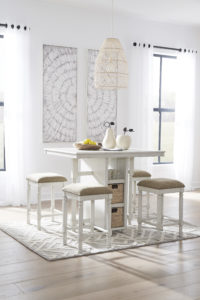
IV. Seating Capacity
a. Determining the Number of People to Accommodate
When considering the seating capacity of your new dining table, start by evaluating your household’s size and how often you host guests. If you have a large family or enjoy hosting dinner parties, you’ll need a table that can accommodate everyone comfortably. Think about special occasions as well—such as holidays and birthdays—when your seating needs may increase. This foresight ensures that everyone has a comfortable spot at the table, enhancing the dining experience for guests and family.
b. Choosing the Right Table Size Based on Seating Needs
To choose a table that fits your seating needs, first familiarize yourself with the standard dimensions for various seating capacities. A small table might accommodate two to four people, while larger tables can seat eight or more. For those who frequently entertain or have large family gatherings, consider investing in an adjustable or extendable table. These tables offer the flexibility to expand your seating capacity as needed, ensuring you can host large groups without compromising on comfort or space during everyday use.
V. Style and Design
a. Matching the Table to the Overall Décor
Your dining room table should be functional and also complement your home’s existing décor. To achieve a harmonious look, consider the style, color, and material of your current furniture and the overall theme of your room. Whether your home exudes a modern, traditional, or eclectic vibe, selecting a table that aligns with this aesthetic will create a cohesive and inviting dining space. Remember, the table is often the focal point of the room, so its design should reflect the tone you want to set for the entire space.
b. Exploring Different Materials and Finishes
The material and finish of your dining table play a crucial role in defining the room’s character and ambiance. Wood tables offer warmth and durability, making them suitable for a range of interior styles, from rustic to contemporary. Glass tables can create a sense of openness and light, perfect for smaller spaces or a modern aesthetic. Metal tables, on the other hand, can add an industrial or avant-garde flair. And for those looking for something unique, mixed materials such as wood and metal or glass and wood can offer the best of both worlds. When choosing a finish, consider both the table’s appearance and its maintenance requirements to ensure it fits your lifestyle and design preferences.
VI. Practical Considerations
a. Ease of Maintenance
The dining table is a centerpiece of daily life, which means it needs to stand up to regular use. When selecting your table, consider the maintenance required for different materials. Wood tables may need periodic refinishing, while glass tables can show fingerprints and require frequent cleaning. Metal tables might be more durable but can be prone to scratches. Factor in your willingness to perform regular maintenance tasks to keep your table looking its best over time.
b. Storage Options
Space is a premium in many homes, making it important to consider how your dining table can adapt to your space needs. If you’re working with a smaller area, look for tables with folding capabilities or those that can be easily disassembled. Stackable chairs or benches that can be tucked under the table when not in use are also excellent space-saving options. These features allow you to maximize your dining area’s versatility without sacrificing style or functionality.
VII. Budgeting Tips
Setting a Realistic Budget for a Dining Table
A dining table is a significant investment, and setting a realistic budget is key to finding the right one for your home. Balance quality with cost, and remember that a higher price tag might reflect better craftsmanship and materials that will last longer. However, there are also great finds at lower price points, especially if you’re willing to explore different retailers or consider less conventional materials. Decide on a budget that reflects the table’s value to your home and lifestyle, and don’t forget to account for additional expenses like delivery and assembly, if necessary.
VIII. Shopping Guide
a. Exploring Different Retailers and Online Options
The best dining table for your home might not be at your local furniture store. Expand your search to include online marketplaces, specialty shops, and second-hand stores. Each option offers a unique selection, from brand-new, custom-made pieces to vintage finds with character. Comparing prices and styles across different retailers can also help you find the best deal and the perfect table that fits your aesthetic and functional needs.
b. Reading Reviews and Seeking Recommendations
In today’s digital age, reviews and recommendations are invaluable resources when shopping for a dining table. Look for reviews that mention the quality, durability, and real-life appearance of the dining table. Personal recommendations from friends and family can also guide you to trusted retailers or specific products they’ve had a good experience with. Use these insights to make an informed decision, ensuring your new dining table meets your quality, style, and function expectations.

IX. Conclusion
Choosing the right dining room table involves careful consideration of space, seating capacity, style, design, and practical needs. By taking the time to assess your requirements and explore the options available, you can find a dining table that fits your space and enhances your home’s ambiance. Remember, the perfect dining table is out there waiting to be discovered; it’s about finding the piece that resonates with your lifestyle and brings joy to your dining experiences. At Art Sample Home, we’re dedicated to helping you find the ideal dining table that suits your home perfectly. Contact our team at (989) 754-7428 for more information on the perfect room size of dining tables of various sizes.
FAQs
FAQ 1: How can I determine the ideal clearance around my dining table to ensure comfortable movement?
Answer: Aim for at least 36 inches (about 91 cm) of clearance from the table edge to the walls or any other furniture for comfortable movement and dining. This space allows guests to move around, sit, or stand up from the table without feeling cramped. If your dining area also serves as a walkway, consider increasing the clearance to 48 inches (about 122 cm) to accommodate smoother traffic flow.
FAQ 2: Are there any tips for selecting a dining table if my dining area is part of an open-plan living space?
Answer: In open-plan living spaces, choose a dining table that harmonizes with the area’s overall design and color scheme. Consider using area rugs to visually delineate the dining space from the rest of the living area. Additionally, look for tables that reflect the style and proportions of nearby furniture to create a cohesive look throughout the space.
FAQ 3: How does lighting affect my choice of dining room table?
Answer: Lighting can significantly influence the appearance and ambiance of your dining area. If you have a statement lighting fixture, like a chandelier or pendant lights, choose a table that complements its style and shape. For example, a round light fixture pairs beautifully with a round table. Also, consider the table’s material and finish, as some surfaces may reflect light differently, affecting the mood and brightness of the room.
Leave a Reply