

Armchair vs. Armless Chair: How to Choose the Best Seating for Your Living Room
1. Introduction – Why the Choice Between Armchair and Armless Matters
Choosing the right chairs for living room setups is more than a décor decision—it impacts comfort, function, flow, and the overall atmosphere of your home. Whether you’re searching for a sofa set for living room, exploring options or simply trying to understand whether an armchair or armless chair will suit your layout best, the right seating transforms how you enjoy your space.
At Art Sample Home, homeowners, renters, interior designers, and comfort-seekers often ask which type of chair works best for small rooms, open-concept living spaces, and contemporary design aesthetics. This guide breaks down everything you need to know to make an informed, confident choice—from space-saving living room settees to statement armchairs to the ever-stylish living room chaise chair and versatile seating ideal for furniture for small living room layouts.
By the end, you’ll understand how armchairs and armless chairs compare in comfort, structure, aesthetics, and practicality—so you can choose the perfect living room furniture that complements your lifestyle, supports your body, and enhances your home.
2. Armchairs: Features, Benefits & Drawbacks
What Is an Armchair?
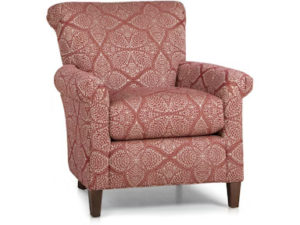
An Armchair is a chair with built-in armrests, typically designed for support, comfort, and style. It often features cushioned sides, deeper seats, and more substantial frames that make it a focal point in any living room.
Benefits of Armchairs
✔ Maximum Comfort & Support
Armchairs offer excellent lateral support thanks to structured arms and deep seating. They are ideal for lounging, reading, browsing your phone, or watching TV.
✔ A “Cocooning” Experience
Many homeowners describe armchairs as cozy, enveloping, and relaxing—perfect for unwinding after long days.
✔ Strong Design Presence
Armchairs make a visual statement. They anchor seating arrangements and bring balance alongside sofas, loveseats, or living room settees.
✔ Ideal for Larger Living Rooms
Their substantial build complements larger spaces or rooms where comfort and presence matter.
Drawbacks of Armchairs
✖ Larger Footprint
Armchairs take up more space, making them less ideal for small or narrow rooms.
✖ Can Restrict Layout Flexibility
With fixed arms, positioning can feel more limited compared to a streamlined armless chair.
✖ Potentially Higher Cost
Extra materials and padding typically result in a higher price point.
Best Use-Cases for Armchairs
- Lounge-focused living rooms
- Reading corners
- Statement seating near fireplaces
- Homes where comfort is the top priority
- Spaces where chairs need to visually balance a large sofa or sectional
Armchairs excel when comfort + presence are your primary goals.
3. Armless Chairs: Features, Benefits & Drawbacks
What Is an Armless Chair?
Armless chairs eliminate the side structure usually seen on armchairs, creating a low-profile silhouette that blends seamlessly into modern and minimalist environments.
Benefits of Armless Chairs
✔ Space-Saving & Versatile
Without arms, these chairs take up significantly less visual and physical space—excellent for furniture for small living room needs.
✔ Flexible & Easy to Move
They’re lightweight, allowing easier rearrangement for gatherings, redecorating, or multifunctional living spaces.
✔ Great for Group Seating
Armless chairs pair beautifully with sofas, chaise chairs, and modular seating to create cohesive living-room layouts.
✔ Ideal for Contemporary Designs
Minimalist, modern, and Scandinavian interiors often prefer the clean lines armless seating provides.
Drawbacks of Armless Chairs
✖ Less Lateral Support
Without arms, some people may find them less comfortable for prolonged lounging.
✖ Can Feel Less Formal or Sturdy
Design-wise, armless chairs can look more casual than traditional upholstered armchairs.
Best Use-Cases for Armless Chairs
- Small apartments or condos
- Open-concept layouts that need seamless flow
- Seating for guests or occasional use
- Paired configurations with sofas, sectionals, or chaise pieces
- Modern, minimalist, or transitional décor styles
Armless chairs shine when space flexibility and layout freedom are key.
4. How to Choose Based on Your Living Room Needs
Selecting between an armchair and an armless chair depends on five key factors: space, comfort needs, layout, style, and maintenance. Here’s how to evaluate your living room like a designer:
1. Measure Your Space & Analyze Layout
Before choosing a chair, consider:
- Room dimensions
- Doorway and walkway clearance
- Distance between existing furniture
- Traffic flow
Armchairs are best for larger rooms or as a main feature.
Armless chairs excel in tight spaces or when you need lightweight, movable seating.
2. Match Comfort to Usage
Ask yourself:
- “Do I lounge daily?”
- “Is this chair for reading or relaxing?”
- “Is this occasional seating for guests?”
For maximum personal comfort: Choose an armchair.
For versatile seating or space-conscious layouts: Choose armless.
3. Align With Your Preferred Style
Your décor significantly influences the best chair style.
Armchairs suit:
- Traditional interiors
- Classic luxury spaces
- Farmhouse and rustic themes
- Rooms requiring visual balance
Armless Chairs suit:
- Modern / minimalist designs
- Scandi, Japandi, and contemporary spaces
- Mixed seating layouts
- Spaces emphasizing openness
4. Consider Materials, Color & Maintenance
Your chair should be as practical as it is attractive.
Fabric options:
- Performance fabrics for families and pets
- Velvet for luxury
- Linen for breathability
- Leather for durability and sophistication
Colors & finishes:
- Neutrals for timelessness
- Bright or textured fabrics for statement pieces
Armchairs may require more maintenance due to broader upholstery coverage.
Armless chairs often show less wear and are easier to clean due to simpler structure.
5. Think About Functionality & Lifestyle
Different buyers prioritize different needs:
Homeowners & renters: Want stylish, practical, long-lasting pieces.
Interior designers & décor lovers: Aim for versatile, mix-and-match pairings.
Space-conscious consumers: Need compact furniture for multifunctional rooms.
Style-focused shoppers: Prefer modern, unique silhouettes.
Comfort seekers: Want deep seating, ergonomic support, and relaxing structure.
Match your chair choice to the lifestyle category that fits you best.
5. Final Verdict & Quick Decision Checklist
Both armchairs and armless chairs offer tremendous value depending on your living-room goals. The right choice comes down to balancing comfort, style, and space.
Armchair: Best For You If…
- You prioritize comfort and full support
- You love reading or lounging
- You want a room statement piece
- You have medium-to-large living room space
Armless Chair: Best For You If…
- You live in a small apartment
- You want flexible, portable seating
- You prefer modern, minimalist styles
- You love mix-and-match seating arrangements
Quick Decision Checklist
- Need maximum comfort? → Choose an armchair
- Need space-saving versatility? → Choose armless
- Have a large room needing anchoring? → Choose armchair
- Designing a multi-use or small space? → Choose armless
- Want a bold design statement? → Choose armchair
- Want clean lines and a modern profile? → Choose armless
Whether outfitting your space with a living room chaise chair, living room settees, or a complete sofa set for living room, the right choice improves both your style and comfort.
Explore options in person at Art Sample Home to find the perfect chairs for living room that elevate your layout and suit your lifestyle.
Conclusion
Choosing the right chairs for living room layouts is about comfort, structure, style, and how you want your home to feel. Whether you’re searching for living room furniture, exploring furniture stores living room sets, or designing around a sofa set for living room, selecting between an armchair and an armless chair depends on your space, lifestyle, and design preferences.
Visit Art Sample Home to explore curated collections that help you create a beautiful, functional, and comfortable living space—no matter your room size, décor vision, or seating needs.
FAQs
1. What’s the most durable chair style for a high-traffic living room?
For high-traffic areas, look for chairs with hardwood frames, reinforced joints, and performance fabrics specifically engineered for stain resistance and daily wear. Chairs with structured bases—whether armchair or armless—tend to maintain their shape longer when used frequently.
2. Is it better to buy chairs individually or as part of a matching living room set?
Buying chairs individually offers more creative freedom and helps you tailor your seating to your layout. However, sets can ensure consistency in color, height, and style. A mix of both is often ideal: use a coordinated set as your foundation and add individual chairs as accents.
3. How many chairs should a standard-sized living room have?
Most medium-sized living rooms comfortably fit two chairs along with a sofa, but the number depends on layout, traffic flow, and how you use the space. Entertainers may prefer additional seating, while minimalists might keep it to one statement chair.
4. What chair styles work best with open-concept layouts?
Open-concept spaces benefit from chairs with clean lines, lighter silhouettes, or designs that swivel, allowing movement and flexible interaction with different zones of the room. Chairs with exposed legs also help maintain visual openness.
5. Are swivel chairs a good alternative to traditional armchairs or armless chairs?
Yes. Swivel chairs offer a dynamic range of movement, making them great for conversational spaces or rooms with multiple focal points like TVs, fireplaces, or window views. They work well in both modern and transitional interiors.
Leave a Reply