

Maximizing Small Living Room Spaces: Creative Layout Ideas
Introduction
When it comes to home interiors, maximizing small living room spaces is both an art and a science. A proper layout can transform a cramped area into a cozy, functional, and stylish haven. At Art Sample Home, in Saginaw, Michigan, we understand the unique challenges of small living spaces, such as limited floor space and the need for clever storage solutions. This blog post explores various small living room layout ideas to help you maximize your space.
1. The Open Plan Layout
Description: An open-plan layout involves integrating the living room with adjacent spaces, such as the kitchen or dining area, creating a continuous flow.
Benefits: This layout fosters a sense of spaciousness and enhances natural light flow, making the area feel larger and more welcoming.
Tips:
a. Opt for multi-functional furniture like a sofa with storage or a coffee table that doubles as a desk.
b. Use area rugs to define different zones within the open space.
c. Keep the color palette cohesive to maintain a seamless look.
2. The L-Shaped Layout
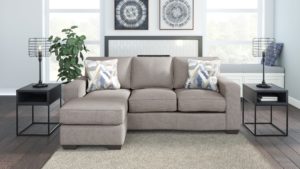
Description: The L-shaped small living room furniture layout arranges furniture in an L configuration, typically using a sofa or sectional to form the L.
Benefits: This setup effectively defines spaces without walls, creating a natural division between the living area and other room parts.
Tips:
a. Choose a compact sectional or sofa to avoid overwhelming the space.
b. Add a small armchair or ottoman to complete the seating arrangement.
c. Use a corner table or lamp to enhance the cozy nook created by the L-shape.
3. The Floating Furniture Layout
Description: Floating furniture means placing pieces away from the walls and creating pathways around them. The best furniture for a small living room layout like this is usually compact and has a lot of storage space.
Benefits: This approach makes the room feel more open and airy, as the flow of movement is more natural and less restricted.
Tips:
a. Anchor floating furniture with a large area rug.
b. Ensure there’s enough space to walk around each piece comfortably.
c. Use light and slender furniture to avoid a cluttered look.
4. The Diagonal Layout
Description: The diagonal layout involves positioning furniture at an angle rather than parallel to the walls, creating a unique and unconventional arrangement. This approach deviates from traditional layouts by placing key pieces, such as sofas or chairs, at a diagonal angle, which can lead to a more interesting and engaging room design.
Benefits: Arranging furniture diagonally can add a sense of dynamism and depth, breaking the monotony of straight lines. This layout creates visual interest and movement, making the space feel more lively and inviting. Additionally, the diagonal orientation can maximize the room’s flow and functionality, making better use of available space.
Tips:
a. Start with the largest piece of furniture, like the sofa, and angle it towards the room’s focal point.
b. Use corner furniture or accent pieces to fill any gaps.
c. To tie the look together, select anchor pieces, such as a statement rug or an angled coffee table.
5. The Zone Design Layout
Description: Zoning involves dividing the living room into distinct areas for different activities, such as a reading nook, a TV area, or a workspace. This layout technique allows you to maximize the functionality of your space by creating dedicated zones that cater to various needs.
Benefits: This method creates multi-functional spaces, allowing you to maximize the use of every inch of the room. By clearly defining areas for different activities, zoning enhances the room’s organization. It also helps maintain a visually appealing and cohesive design, making the space more open and efficient.
Tips:
a. Use rugs, lighting, and furniture placement to visually separate zones.
b. Incorporate flexible furniture, like folding chairs or a sofa bed, to adapt to different needs.
c. Employ open shelving or partitions to delineate areas without closing off the space.
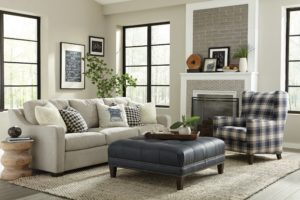
6. The Vertical Space Layout
Description: Utilizing vertical space means using your walls for storage and décor. If you want to maximize the effect of this layout, the best furniture for small living room is to opt for pieces that are low-profile, not bulky.
Benefits: Drawing the eye upward creates a sense of roominess by emphasizing the height of the room, making it feel larger and more open. This approach also reduces clutter at floor level, providing more usable space and creating a cleaner, more organized look. It enhances the overall aesthetic and functionality of your small living room.
Tips:
a. Install shelves, wall-mounted units, and tall furniture pieces to maximize vertical space.
b. To enhance the effect, use vertical lines in décor, such as tall plants or floor-to-ceiling curtains.
c. Keep the upper shelves for less frequently used items to maintain easy access.
7. The Minimalist Layout
Description: A minimalist layout focuses on using fewer, simpler furniture and décor pieces to create a clean, uncluttered space. This design philosophy emphasizes functionality and simplicity, often incorporating sleek lines and neutral colors. By minimizing excess items, the room feels more open, airy, and organized, enhancing its overall aesthetic.
Benefits: This approach provides a clutter-free, spacious feel, making the room appear larger and more serene. The simplicity of the design promotes a calm and tranquil atmosphere, reducing visual noise. Additionally, it allows the essential elements of the room to stand out, creating a harmonious and balanced environment.
Tips:
a. Choose dual-purpose furniture, like a bench with storage or a convertible sofa.
b. Stick to a neutral color palette and clean lines in furniture design.
c. Limit decorative items to a few statement pieces to avoid visual clutter.
8. The Mirrored Layout
Description: The strategic use of mirrors can visually expand the space by reflecting light and creating an illusion of depth. Placing mirrors opposite windows or light sources enhances natural light distribution, making the room feel more open and airy. Mirrors can also highlight architectural features and add a decorative touch.
Benefits: Mirrors can make a small room feel brighter and more open, amplifying natural light and creating a sense of spaciousness. This reflective quality reduces the feeling of confinement and adds elegance to the décor. Using mirrors thoughtfully can transform a compact area into a welcoming and visually appealing space.
Tips:
a. Place a large mirror opposite a window to maximize natural light.
b. Use mirrored furniture, like a coffee table or sideboard, to subtly enhance the effect.
c. Create a mirrored gallery wall to add both style and spaciousness.
9. The Cozy Corner Layout
Description: This layout creates a cozy, intimate area within the living room by designating a specific corner for comfort and relaxation. Typically, it involves arranging furniture and accessories to form a snug nook, ideal for reading, lounging, or enjoying quiet moments. This approach enhances the room’s overall ambiance and functionality.
Benefits: A cozy corner can make a small space feel warm and welcoming, perfect for relaxation and unwinding after a long day. It adds a sense of comfort and personal touch, transforming an ordinary living room into a haven of tranquility. This inviting setup encourages quality time and enhances the room’s appeal.
Tips:
a. Use a comfy armchair, a small side table, and a floor lamp to create a reading nook.
b. Add soft textiles, like throws and cushions, for extra comfort.
c. Incorporate personal touches like family photos or favorite books to enhance the cozy vibe.
10. The Gallery Wall Layout
Description: A gallery wall can draw attention and add personality to your living room by displaying a curated collection of art, photographs, and decorative items. Arranging these pieces thoughtfully on a prominent wall showcases your style and interests and creates a striking visual centerpiece that enhances the room’s aesthetic.
Benefits: It serves as a focal point and can visually expand the space by directing the eye upward. This upward movement creates an illusion of height and openness, making the room feel larger. It adds depth and character, transforming a plain wall into an engaging and dynamic feature.
Tips:
a. Choose a cohesive theme for your gallery wall, such as family photos, artwork, or travel souvenirs.
b. Use frames of different sizes and shapes for an eclectic look.
c. Ensure the arrangement is balanced and not too crowded to maintain order.
Conclusion
Choosing the right small living room layout is crucial in maximizing space and creating a comfortable, functional environment. At Art Sample Home, in Saginaw, Michigan, experimenting with different small living room furniture layout can help you find the best furniture for small living room and create a space that truly reflects your style. Whether you prefer the openness of an open plan, the definition of an L-shaped layout, or the creativity of a diagonal arrangement, there are plenty of options to explore. Happy decorating! Contact our team at (989) 754-7428 to learn how we can help!
FAQs
1. How can I make a small living room appear more spacious without buying new furniture?
A: Using light, neutral colors on the walls and incorporating plenty of natural light can make a small living room appear more spacious. Additionally, keeping the space free of clutter and arranging existing furniture openly and functionally can help maximize the feeling of space.
2. What are some budget-friendly tips for enhancing a small living room?
A: Opt for DIY décor projects, such as painting old furniture or creating your own artwork. Rearranging furniture to optimize space and incorporating inexpensive items like throw pillows, rugs, and lighting can refresh the look of your living room without breaking the bank.
3. Can I use bold colors in a small living room without making it feel cramped?
A: Yes, you can use bold colors in a small living room by incorporating them as accent walls or through smaller décor items like cushions, artwork, or a statement piece of furniture. Balancing bold colors with neutral tones and ensuring ample natural light will help maintain an open and airy feel.
Leave a Reply