

10 Dining Room Lighting Ideas
I. Introduction
Lighting plays a pivotal role in any dining room. It’s more than just a practical element; it’s the key to creating an inviting atmosphere. At Art Sample Home, we understand how the right dining room lighting ideas can set the mood, enhance the aesthetic appeal, and elevate your dining experience. Whether you’re hosting a dinner party or enjoying a family meal, the perfect lighting can make all the difference. Let’s explore various lighting ideas for dining rooms and discover how to bring out the best in your space.
II. Understanding Dining Room Lighting
Before selecting your ideal dining room lighting setup, it’s crucial to understand the different types of lighting and the factors to consider for a harmonious and functional dining space. Let’s delve deeper into these elements.
A. Types of Lighting
1. Ambient Lighting
Ambient lighting is the primary source of light in your dining room, providing overall illumination. This type of lighting ensures the room is bright enough for general activities, like dining or socializing, without being too harsh or glaring. Common sources of ambient lighting in dining rooms include ceiling fixtures, chandeliers, or even recessed lights. The goal is to create a comfortable and inviting environment where you can enjoy meals and entertain guests.
2. Task Lighting
Task lighting focuses on specific areas where more intense light is needed, such as over the dining table or a buffet area. This type of dining table light idea helps with detailed tasks like serving food, reading menus, or setting the table. Pendant lights or adjustable track lighting are popular choices for task lighting, as they can be directed precisely where needed.
3. Accent Lighting
Accent lighting is used to highlight specific features or add decorative elements to your dining room. It creates ambiance and visual interest, allowing you to showcase artwork, architectural features, or a beautiful centerpiece on the dining table. Wall sconces and LED strip lights are common sources of accent lighting, adding depth and personality to the space.
B. Considerations Before Choosing Lighting
When choosing from among the dining room lamp ideas, there are several key factors to consider to ensure a cohesive and practical setup.
1. Size of the Room
The size of your dining room will determine the scale and number of light sources you’ll need. Larger rooms may require more powerful lights or additional fixtures to provide adequate illumination. In contrast, smaller rooms might benefit from fewer, more focused light sources.
2. Ceiling Height
Ceiling height plays a significant role in your lighting choices. A high ceiling allows for dramatic lighting, like a grand chandelier, while a lower ceiling might be better suited for recessed or flush-mounted lighting. Consider the distance between the ceiling and dining table to ensure proper lighting distribution without obstructing views or creating glare.
3. Color Scheme
Your dining room’s color scheme can impact how light is reflected. Darker colors may require brighter lights to avoid a dim and gloomy atmosphere, while lighter colors can enhance the effectiveness of ambient lighting. Ensure your lighting complements the room’s colors for a balanced and appealing look.
4. Existing Decor
Your lighting should harmonize with the existing decor and style of your dining room. For example, a traditional dining room might pair well with classic chandeliers or wall sconces, while a modern dining room could benefit from sleek pendant lights or LED strip lights. The goal is to create a cohesive design that reflects your personal style.
III. Lighting Ideas: Elevating Your Dining Room
With a better understanding of lighting types and considerations, let’s explore modern dining room lighting ideas that can transform your dining area into a captivating space.
A. Classic Chandeliers
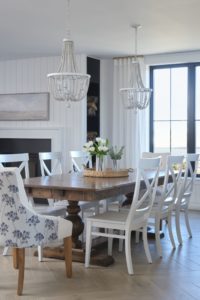
Chandeliers are timeless and bring a touch of elegance to any dining room. They are available in traditional designs with intricate details and crystals or modern styles with sleek lines and minimalistic elements. A chandelier can become the focal point of your dining room, providing both ambient and accent lighting, while adding a sense of luxury.
B. Pendant Lights
Pendant lights are a popular choice for a modern, sleek look. They hang from the ceiling and come in various configurations, offering flexibility in terms of style and placement. You can use pendant lights individually for a subtle effect or in clusters for a more dramatic statement. They’re ideal for task lighting over the dining table and can be adjusted to suit your dining room’s layout.
C. LED Strip Lights
LED strip lights are a contemporary and energy-efficient option. They can be installed in various locations, such as under shelves, along the ceiling, or even beneath the dining table, to create unique lighting effects. LED strips are versatile and can add a pop of color or subtle illumination. They’re also great for creating ambiance and enhancing the room’s overall aesthetic.
D. Recessed Lighting
Recessed lighting offers a minimalist, clean look. These lights are embedded into the ceiling, providing illumination without visible fixtures. Recessed lighting is perfect for lower ceilings or when you want to keep the focus on other elements in the dining room. It can also be used to create even ambient lighting without harsh shadows.
E. Dimmer Switches
Dimmer switches are essential for creating a flexible and customizable lighting environment. They allow you to adjust the brightness of your lights, giving you control over the mood in the dining room. With dimmer switches, you can create a cozy ambiance for an intimate dinner or increase the brightness for larger gatherings. This feature adds versatility to this dining room lighting trend.
F. Statement Floor Lamps
A statement floor lamp can add a bold and distinctive touch to your dining room. These lamps often feature unique designs or large sizes, making them both functional and decorative. A floor lamp can be used to highlight a specific area or create a focal point in the room. They are ideal for adding drama and personality to the dining space.
G. Industrial Style Fixtures
Industrial-style fixtures bring a rustic or modern industrial vibe to your dining room. These fixtures often feature exposed bulbs, metal elements, and a raw, unfinished look. The industrial style adds character and is perfect for those who appreciate a more rugged or edgy aesthetic. Industrial fixtures can also be a great conversation starter, as they offer a unique design perspective.
H. Multi-Light Pendants
Multi-light pendants offer a dynamic and flexible lighting solution. These fixtures contain multiple adjustable lights, allowing you to direct light where it’s needed most. Multi-light pendants are great for large dining rooms or open-concept spaces, as they provide ample illumination while adding visual interest.
I. Sconces
Wall sconces add layers of light to your dining room. They are mounted on the walls and can be used to create a soft, indirect glow. Sconces are perfect for adding ambiance and highlighting specific areas of the room, like artwork or architectural features. They can also provide additional lighting without taking up floor or ceiling space.
J. Track Lighting
Track lighting provides a versatile and adjustable lighting setup. These fixtures have lights mounted on a track, allowing you to move and direct the lights as needed. Track lighting is ideal for modern dining rooms and can be used to create various lighting effects. It’s a practical choice for those who want to customize their lighting arrangement over time.
IV. Lighting Tips and Tricks
To make the most of your dining room lighting, consider these helpful tips and tricks for a well-balanced and functional setup.
A. Balancing Light
Balancing different types of lighting is crucial. Ensure you have a mix of ambient, task, and accent lighting to create a harmonious and functional space. This balance will help you achieve the desired ambiance without overwhelming or under-lighting the room.
B. Choosing the Right Bulb
The type of bulb you use can affect the overall ambiance. Consider the color temperature and lumens when choosing bulbs. Warmer tones create a cozy atmosphere, perfect for intimate dining, while cooler tones are more energizing and suitable for brighter settings. Additionally, consider energy efficiency and longevity when selecting bulbs.
C. Incorporating Reflective Surfaces
Reflective surfaces like mirrors or glass can enhance lighting effects in your dining room. They can make the room feel brighter and more spacious by reflecting light around the space. Consider incorporating mirrors, glossy furniture, or glass elements to maximize the impact of your lighting choices.
V. Conclusion
Choosing the right dining room lighting is essential for creating an inviting and functional space. From classic chandeliers to modern LED strip lights, there’s a wide range of dining room lighting ideas to suit any style and preference. At Art Sample Home, we encourage you to experiment with different ideas to find what works best for your space. With the right lighting, you can transform your dining room into a warm, welcoming environment for you and your guests. Contact our team at (989) 754-7428 for more information.
FAQs
FAQ 1: What are some eco-friendly dining room lighting options?
A: For eco-friendly dining room lighting, consider LED fixtures. They use less energy, produce less heat, and last significantly longer than traditional bulbs. Look for LED strip lights, pendant lights, or even LED chandeliers for energy-efficient options.
FAQ 2: How do I choose the right chandelier size for my dining room?
A: To select the right chandelier size, consider the dining table’s dimensions and the room’s overall size. A common guideline is that the chandelier’s diameter should be about half to two-thirds the width of the dining table. Additionally, ensure the chandelier hangs about 30 to 36 inches above the dining table to avoid obstructing views or causing glare.
FAQ 3: Can I use multiple types of lighting in my dining room?
A: Absolutely! Using a combination of ambient, task, and accent lighting can create a balanced and versatile lighting scheme. You can mix chandeliers with pendant lights, add wall sconces for accent lighting, and even use dimmer switches to adjust brightness levels. This approach allows you to create the perfect atmosphere for any dining occasion.
Leave a Reply