

The Ultimate Guide to Choosing the Best Living Room Chair for Hip Pain Relief
When it comes to finding the perfect living room chair, comfort is more than just a luxury—it’s essential, especially for those dealing with hip pain or arthritis. At Art Sample Home, we understand how the right furniture can transform not only your space but also your quality of life. Whether you’re searching for living room chairs, recliners, supportive accent seating, or the best living room chair for hip pain, this guide will help you make an informed, confident decision.
Why the Right Living Room Chair Matters for Hip Pain
Hip pain can significantly affect daily comfort, posture, and mobility. Sitting for extended periods in an unsupportive chair can worsen joint stiffness, inflammation, and discomfort. The right chair, however, can:
- Reduce pressure on hip joints
- Improve posture and spinal alignment
- Enhance circulation
- Provide long-term comfort and support
For individuals searching for the best chairs for hip pain or the best living room chair for arthritis, choosing ergonomically designed seating is key.
Key Features to Look for in the Best Living Room Chair for Hip Pain
1. Ergonomic Design & Lumbar Support
A well-designed chair should properly support the natural curve of your spine, which directly impacts hip alignment and overall comfort. Without adequate lumbar support, your body tends to slouch, placing unnecessary strain on your hips and lower back. An ergonomic chair helps distribute weight evenly, reducing pressure points and promoting healthier posture during extended sitting.
Look for:
- Contoured backrests that follow spinal alignment
- Adjustable lumbar support for personalized comfort
- Firm yet cushioned seating that prevents sinking
2. Seat Height & Depth
Seat dimensions play a crucial role in minimizing hip strain. A chair that is too low or too deep can make sitting and standing uncomfortable, especially for those with joint pain. Proper seat height ensures ease of movement and reduces pressure on the hips and knees.
Ideal guidelines:
- Feet should rest flat on the floor for stability
- Knees should be at or slightly below hip level
- Seat depth should allow 2–3 inches between the seat edge and the back of your knees
3. Cushion Firmness
While plush seating may feel inviting at first, overly soft cushions can cause your body to sink, increasing pressure on the hips over time. The goal is to find a balance between comfort and support that maintains proper posture.
Best option:
- Medium-firm cushions that provide support without feeling too rigid
- High-density foam or memory foam for long-term durability
4. Reclining Functionality
The best recliner for hip pain offers adjustable positioning that allows you to shift weight away from your hips and reduce joint pressure. Reclining slightly can relieve tension and improve overall comfort, especially during long periods of sitting.
Benefits of reclining chairs:
- Reduces direct pressure on hip joints
- Promotes relaxation and muscle relief
- Improves blood circulation
This is why a living room chair is often recommended by experts as one of the best chairs for hip pain.
5. Ease of Entry & Exit
For individuals dealing with hip pain or arthritis, getting in and out of a chair can be just as important as sitting comfortably. Chairs that are too low, deep, or soft can make standing up difficult and painful.
Look for:
- Sturdy, supportive armrests for leverage
- Slightly elevated seat height for easier transitions
- Power lift features for added assistance, especially for severe mobility issues
Types of Living Room Chairs for Hip Pain Relief
Recliners
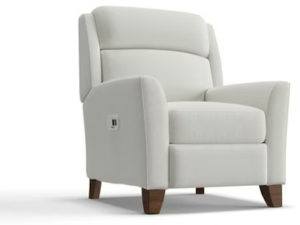
Recliners are among the best solutions because they offer adjustable positions that reduce pressure on the hips while supporting the back and legs. Many models also include additional ergonomic features for enhanced comfort.
Best for:
- Chronic pain sufferers
- Long sitting sessions
- Relaxation and recovery
Accent Chairs with Support
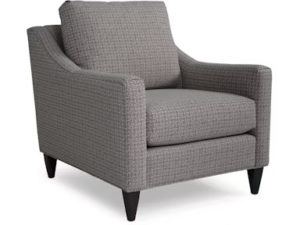
Not all accent chairs are purely decorative—many are designed with structured support that can benefit those with mild to moderate hip discomfort. Choosing the right design can provide both style and function.
Best for:
- Combining aesthetics with comfort
- Smaller living spaces
- Occasional seating needs
Lift Chairs
Lift chairs are specially designed to assist users in transitioning from sitting to standing. They gently tilt forward, reducing strain on the hips, knees, and lower back.
Best for:
- Seniors
- Individuals with limited mobility
- Those seeking the best living room chair for arthritis
Swivel Chairs
Swivel chairs allow for smooth rotation, reducing the need to twist your body when reaching or turning. This helps minimize strain on the hips and lower back.
Best for:
- Flexible movement within a room
- Multi-purpose living spaces
- Reducing joint strain from repetitive motion
How to Choose the Best Living Room Chair for Arthritis and Hip Pain
When selecting this chair, consider your daily habits and physical needs.
Ask Yourself:
- How long do I sit each day?
- Do I need reclining or lift assistance?
- Is style or functionality more important?
- Do I experience stiffness when standing up?
Match the Chair to Your Lifestyle
| Need | Recommended Chair Type |
| Maximum comfort | Recliner |
| Easy standing | Lift chair |
| Stylish support | Accent chair |
| Flexible movement | Swivel chair |
Materials Matter: Comfort & Durability Guide
Fabric Upholstery
- Soft and breathable
- Ideal for long sitting periods
Leather Upholstery
- Durable and easy to clean
- Offers firm support
Cushion Fill Options
- Memory foam → Contours to your body
- High-density foam → Long-lasting support
- Hybrid cushions → Balance of comfort and firmness
Common Mistakes to Avoid
Even high-quality chairs can fail if they don’t meet your needs.
- Choosing style over comfort
- Buying overly soft cushions
- Ignoring seat height
- Not testing recline functionality
- Skipping armrest support
Avoiding these mistakes ensures you truly find the best chairs for hip pain.
Price Guide: What to Expect
- Budget ($200–$400): Basic support, limited features
- Mid-range ($400–$900): Better cushioning, recline options
- Premium ($900+): Advanced ergonomics, power lift, premium materials
Investing in the best living room chair for hip pain is not just about cost—it’s about long-term comfort and health.
Expert Tips for Maximizing Comfort
- Use a lumbar pillow for added support
- Keep feet flat to reduce hip pressure
- Avoid sitting for long periods—stand and stretch regularly
- Pair your chair with a supportive ottoman
Why Shop at Art Sample Home?
At Art Sample Home, we pride ourselves on being the best place for furniture in Saginaw. With high-quality furniture and exceptional customer service in Mid-Michigan, we offer a wide variety of styles and price points for every stage of life.
Our curated selection includes:
- Premium recliners
- Supportive accent chairs
- Ergonomic seating solutions
Whether you’re looking for living room recliners or the best living room chair for arthritis, our team is here to help you find the perfect fit.
Conclusion
Choosing the right living room chair can make a significant difference in managing hip pain and improving everyday comfort. From supportive recliners to ergonomic accent chairs, the best option is one that aligns with your body’s needs and your lifestyle. At Art Sample Home, we’re committed to helping you find seating that delivers both comfort and style—because the right chair isn’t just furniture, it’s a step toward better living. For personalized assistance, feel free to contact us at 989-341-8656.
FAQs
1. How often should I replace a living room chair for proper support?
Most chairs should be replaced every 7–10 years, but if you notice sagging cushions or reduced support sooner, it may be time to upgrade for better comfort.
2. Are heated or massage chairs beneficial for hip discomfort?
Yes, chairs with heat and massage functions can help relax muscles, improve circulation, and provide temporary relief from stiffness around the hips.
3. Is it better to use an ottoman with a living room chair for hip support?
Using an ottoman can help elevate your legs, reducing pressure on your hips and improving blood flow during extended sitting.
4. Can the wrong chair contribute to long-term hip issues?
Yes, prolonged use of poorly designed seating can worsen posture and increase joint stress, potentially leading to chronic discomfort over time.
5. What is the ideal sitting posture to reduce hip strain?
Sit with your back fully supported, hips aligned with your spine, feet flat on the floor, and avoid crossing your legs to maintain proper alignment.
Leave a Reply